Vocabulary
ARTIST
BABY
BATHROOM
BOWL
BOX
CANDLE
CLEAN / DIRTY
COUCH OR SOFA
HE'S CROSSING HIS ARMS
CURLING IRON
CURLY HAIR STRAIGHT HAIR
HAIR STRAIGHTENER
DUST RUFFLE
SHE'S EMBARRASSED
FINGERS
SHE'S SOAKING HER FINGERS IN THE WATER
HOOK
KID / CHILD
PICTURE
PILLOW
PILLOWS
POUTPORRI
STICK
SUMMER
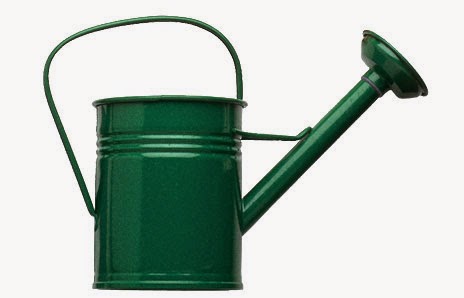
WATERING CAN
WET / DRY
Friends Video
Chandler: Look, you gotta be careful, this girl thing is dangerous. It's spreading already.
Joey: It is?
Chandler: Yeah. Is this your pretty pink pillow on the couch?
Joey: No.
Chandler: Is that your tiny little box that's too small to put anything in?
Joey: No.
Chandler: No! Ok, this is not good. You are a guy, ok? This is a guy's place. If you let this go you're gonna be sitting around with your fingers soaking in stuff.
Joey: Alright, alright, you're right. I'll talk to her.
Chandler: Yes, talk to her! Be a man!
Joey: I'm a man!
Chander: Defend yourself!
Joey: Hmm!
Monica: Chandler, come on, we have to hand the new dust ruffle!
Chandler: Be right there sweetams. (to Joey) Totally different situation.
________________________________________________________________________
Chandler: That's weird, I don't think my boss likes me either.
Monica: I don't think mine likes me either.
Ross: Maybe it's a universal thing.
Joey: Or maybe... It's because you're all hanging around here at eleven-thirty on a Wednesday!
Chandler: Yeah, let's head off to work.
________________________________________________________________________
Janine: Hey, Joey.
Joey: Hey! Uhm.. Can I talk to you for a second? There's a kid in this picture. Do you know this kid? Is that like a relative or something?
Janine: No, I just thought it was cute.
Joey: Yeah, That's what I was afraid of. Uhm... Look, Janine, I really want you to feel at home here, but some of this new stuff, it's just, it's too girly.
Janine: Like what?
Joey: Like this. Pictures of cute babies we don't know. We can't have that.
Janine: Joey, it's Anne Guedes, she's a famous artist.
Joey: Look, I don't know this baby. I don't know if she's a famous artist or not. I don't wanna be a jerk, but you're changing too much around here.
Janine: I'm sorry, I just thought I'd try and make the place a little nicer.
Joey: Yeah, but it's too much stuff. You know, like, you got the candles, and the "foofy shmuffer" thing here. And over here you got a picture of a watering can!
Janine: Oh, I just thought...
Joey (interrupting Janine): I'm sure it's a famous watering can, ok? But, come on! And what is with the really hot stick in the bathroom?
Janine (crossing her arms): It's a curling iron.
Joey (embarrassed): Oh well, that's ok, then. But, ok, my towels for instance, ok? I come into the bathroom here and my towel is not on the floor where I keep it. It's up here, on some hook. And smells different.
Janine: It's clean!
Joey: Yeah, but, it feels different.
Janine: It's dry...
Joey: Ok, I can make my peace with the clean dry towels. But hey, ok, also, what is with these chips you bought? I don't...
Janine: No, no, it's poutporri, you're supposed to smell it.
Joey: Well, that's like summer in a bowl.
Joey: I'm sorry but we gotta get rid of all this girly stuff in here. I.. I gotta be a man! Ok? The living room has to remain a guy's place. Ok? That is just the way it has to be.
Janine: Oh, if that is what you want I'll just put it all in my room.
Joey: Great! And thanks for being so understanding, I mean, I don't wanna make a big deal out of this. You know... But you could... Uh... Put the picture of the famous baby in my room. I mean, if you want to...
Janine: Ok...
Joey: And, uh.. And maybe the watering can, yeah...
Janine: Sure...
Joey: And a couple of these tiny boxes.
Janine: Joey, do you want me to put it all in your room?
Joey: Ok...
Grammar
Have got / Has got
Affirmative sentences
| >have< | >have got< |
|---|
| I have a brother. | I have got a brother.
I've got a brother. |
| You have a sister. | You have got a sister.
You've got a sister. |
| He has a cat. | He has got a cat.
He's got a cat. |
| She has a dog. | She has got a dog.
She's got a dog. |
| It has Bluetooth. | It has got Bluetooth.
It's got Bluetooth. |
| We have books. | We have got books.
We've got books. |
| You have a nice room. | You have got a nice room.
You've got a nice room. |
| They have pets. | They have got pets.
They've got pets. |
have got is often used in its contracted form even in written language.
Negative sentences
| >have< | >have got< |
|---|
I do not have a brother.
I don't have a brother. | I have not got a brother. or
I haven't got a brother. or
I've not got a brother. |
You do not have a sister.
You don't have a sister. | You have not got a sister. or
You haven't got a sister. or
You've not got a sister. |
He does not have a cat.
He doesn't have a cat. | He has not got a cat. or
He hasn't got a cat. or
He's not got a cat. |
She does not have a dog.
She doesn't have a dog. | She has not got a dog. or
She hasn't got a dog. or
She's not got a dog. |
It does not have Bluetooth.
It doesn't have Bluetooth. | It has not got Bluetooth. or
It hasn't got Bluetooth. or
It's not got Bluetooth. |
We do not have books.
We don't have books. | We have not got books. or
We haven't got books. or
We've not got books. |
You do not have a nice room.
You don't have a nice room. | You have not got a nice room. or
You haven't got a nice room. or
You've not got a nice room. |
They do not have pets.
They don't have pets. | They have not got pets. or
They haven't got pets. or
They've not got pets. |
Questions
| >have< | >have got< |
|---|
| Do I have time? | Have I got time? |
| Do you have pets? | Have you got pets? |
| Does he have a computer? | Has he got a computer? |
| Does she have a mobile phone? | Has she got a mobile phone? |
| Does it have mudguards? | Has it got mudguards? |
| Do we have ketchup? | Have we got ketchup? |
| Do you have a yellow car? | Have you got a yellow car? |
| Do they have nice teachers? | Have they got nice teachers? |
Negations in questions:
| Don't you have a brother? | Haven't you got a brother? |
Be careful!
1) The contracted forms 've or 's are only used with have got - not with have.
| correct | incorrect |
|---|
| I've got a new mobile phone. |
I've a new mobile phone.
|
| He's got a new car. | He's a new car. |
2) Do not use an auxiliary with have got - only with have. Be careful when using negations.
| correct | incorrect |
|---|
| Have you got a garden? | Do you have got a garden? |
| Do you have a pet? | Have you a pet? |
| They haven't got a house. | They haven't a house. |
3) >have< cannot always be substituted with >have got<. You can only substitute >have< with >have got< when you talk about possession and relationships.
| have got | have |
|---|
| I've got a brother. | I have a brother. |
| incorrect: I had got an accident. | I had an accident. |
| incorrect: We had got lunch. | We had lunch. |
Note:
In American English >have< is dropped in informal speech like in the following example.
We've got a problem. -> We got a problem.
Affirmative sentences
| long form | contracted form |
|---|
| I have got a brother. | I've got a brother. |
| You have got a sister. | You've got a sister. |
| He has got a budgie. | He's got a budgie. |
| She has got a dog. | She's got a dog. |
| It has got Bluetooth. | It's got Bluetooth. |
| We have got CDs. | We've got CDs. |
| You have got a nice room. | You've got a nice room. |
| They have got pets. | They've got pets. |
Negations
| long form | contracted form |
|---|
| I have not got a brother. | I haven't got a brother. or
I've not got a brother. |
| You have not got a sister. | You haven't got a sister. or
You've not got a sister. |
| He has not got a budgie. | He hasn't got a budgie. or
He's not got a budgie. |
| She has not got a dog. | She hasn't got a dog. or
She's not got a dog. |
| It has not got Bluetooth. | It hasn't got Bluetooth. or
It's not got Bluetooth. |
| We have not got CDs. | We haven't got CDs. or
We've not got CDs. |
| You have not got a nice room. | You haven't got a nice room. or
You've not got a nice room. |
| They have not got pets. | They haven't got pets. or
They've not got pets. |
Questions
| question | short answer |
|---|
| Have I got time? | Yes, I have.
No, I haven't. |
| Have you got lots of friends? | Yes, I have.
No, I haven't. |
| Has he got a mobile phone? | Yes, he has.
No, he hasn't. |
| Has she got a pink car? | Yes, she has.
No, she hasn't. |
| Has it got mudguards? | Yes, it has.
No, it hasn't. |
| Have we got milk? | Yes, we have.
No, we haven't. |
| Have you got a brown bag? | Yes, we have.
No, we haven't. |
| Have they got nice books? | Yes, they have.
No, they haven't. |
Do not use >got< in the short answer.
Have they got lots of friends?
correct: Yes, they have.
incorrect: Yes, they have got.
I gotta + (verb)
'I gotta' is grammatically incorrect. It is more of a spoken form. If you want to say this with proper grammar, the equivalent would be, 'I have got to' or 'I've got to'. In the spoken form, 'got to' is shortened to 'gotta' and the word 'have' is dropped.
Here are some examples:
"I gotta manage my money."
"I gotta obey the laws."
"I gotta move to a bigger house."
"I gotta impress my boss."
"I gotta brush my teeth."
By adding the word 'have' you can change what you are saying to express something that needs to be done in the near future.
Here are some examples:
"I have got to be on time to work."
"I've gotta try harder at school."
"I've gotta tell my wife I'll be late."
"I've gotta learn more about the laws."
"I've gotta clean my house today."
Also / Too / Either
Also
USE
"Also" is used in positive sentences to add an agreeing thought.
Examples:
- Jane speaks French. Sam also speaks French.
- I love chocolate. I also love pizza.
- Frank can come with us. Nancy can also come with us.
PLACEMENT
"Also" comes after "to be."
Examples:
- I am also Canadian.
- I was also there.
With verbs other than "to be," "also" comes before single verb forms.
Examples:
- I also sing.
- He also helped us.
In verb tenses with many parts, "also" comes after the first part and before the second.
Examples:
- I have also been to Hong Kong.
- I am also studying economics.
Similarly, since modal verbs are usually followed by a second verb, "also" comes after modal verbs.
Examples:
- I can also speak French.
- I should also be there.
Too
USE
"Too" is used in positive sentences to add an agreeing thought. It has the same meaning as "also," but its placement within the sentence is different.
Examples:
- Jane speaks French. Sam speaks French too.
- I love chocolate. I love pizza too.
- Frank can come with us. Nancy can come with us too.
PLACEMENT
"Too" usually comes at the end of a clause.
Examples:
- I am Canadian too.
- I can speak French too.
- I am studying economics too.
- If he wants to go too, he should meet us at 8:00.
IMPORTANT
Although "too" is usually placed at the end of a clause, it can sometimes be used with commas after the subject of the sentence. This is usually only done in formal speech.
Examples:
- Mr. Jones wanted the contract. Ms. Jackson, too, thought it was necessary.
- Donna is working on a solution to the problem. I, too, am trying to find a way to resolve the conflict.
Either
USE
"Either" is used in negative sentences to add an agreeing thought.
Examples:
- Jane doesn't speak French. Sam doesn't speak French either.
- I don't love chocolate. I don't love pizza either.
- Frank cannot come with us. Nancy cannot come with us either.
PLACEMENT
"Either" usually comes at the end of a clause.
Examples:
- I cannot speak French either.
- I am not studying economics either.
- I don't want to eat either.
- I didn't like the movie either.
Confusing Sentences
Sometimes the first sentence is negative and the agreeing idea is positive.
Examples:
- The weather wasn't very appealing. I also wanted to stay home and finish my book. That's why I didn't go to the beach.
- The car wasn't expensive, and I needed a way to get around town too. That's why I bought it.
Sometimes the first sentence is positive and the agreeing idea is negative.
Examples:
- Jane is too short. She is not a good athlete either. I don't think she would make a good basketball player.
- He is lazy. He doesn't study either. That's why he doesn't do well in school.
I wanna + (verb)
The word 'wanna' is incorrect grammatically. It is equivalent to 'want to.' When combined with the word 'I' it helps communicate something you want to do.
Here are some examples:
"I wanna talk."
"I wanna search for a job."
"I wanna order some food."
"I wanna marry her."
"I wanna listen to that song."
By adding the word 'don't' you can change the meaning of what you are saying to something you 'want' to do to something you 'do not' want to do.
Here are some examples:
"I don't wanna talk."
"I don't wanna search for a job."
"I don't wanna marry her."
"I don't wanna listen to that song."
"I don't wanna order some food."
Reflexive Pronouns
We use a reflexive pronoun when we want to refer back to the subject of the sentence or clause. Reflexive pronouns end in "-self" (singular) or "-selves" (plural).
There are eight reflexive pronouns:
| | reflexive pronoun |
| singular | myself
yourself
himself, herself, itself |
| plural | ourselves
yourselves
themselves |
Look at these examples:
| | reflexive pronouns |
| the underlined words are NOT the same person/thing | the underlined words are the SAME person/thing |
| John saw me. | I saw myself in the mirror. |
| Why does he blame you? | Why do you blame yourself? |
| David sent him a copy. | John sent himself a copy. |
| David sent her a copy. | Mary sent herself a copy. |
| My dog hurt the cat. | My dog hurt itself. |
| We blame you. | We blame ourselves. |
| Can you help my children? | Can you help yourselves? |
| They cannot look after the babies. | They cannot look afterthemselves. |
|